Mouse and Rodent Control
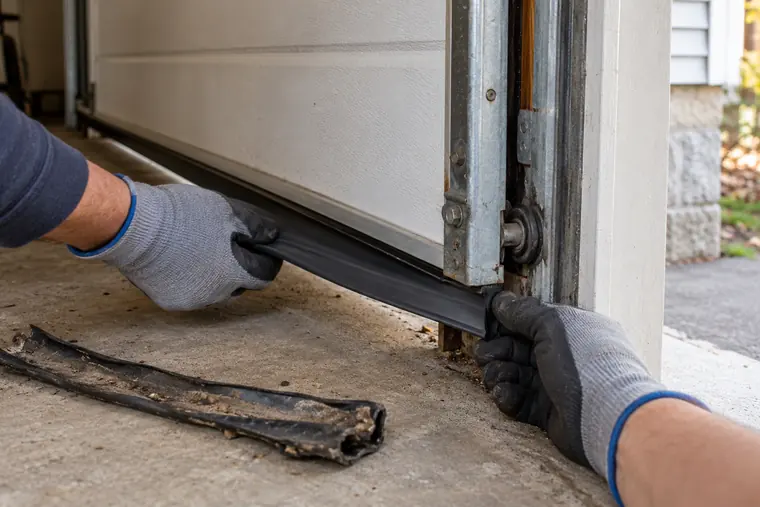
House mice and deer mice moving into basements, garages and walls in fall. Gaps sealed with metal, traps placed where they travel, follow-up to confirm.
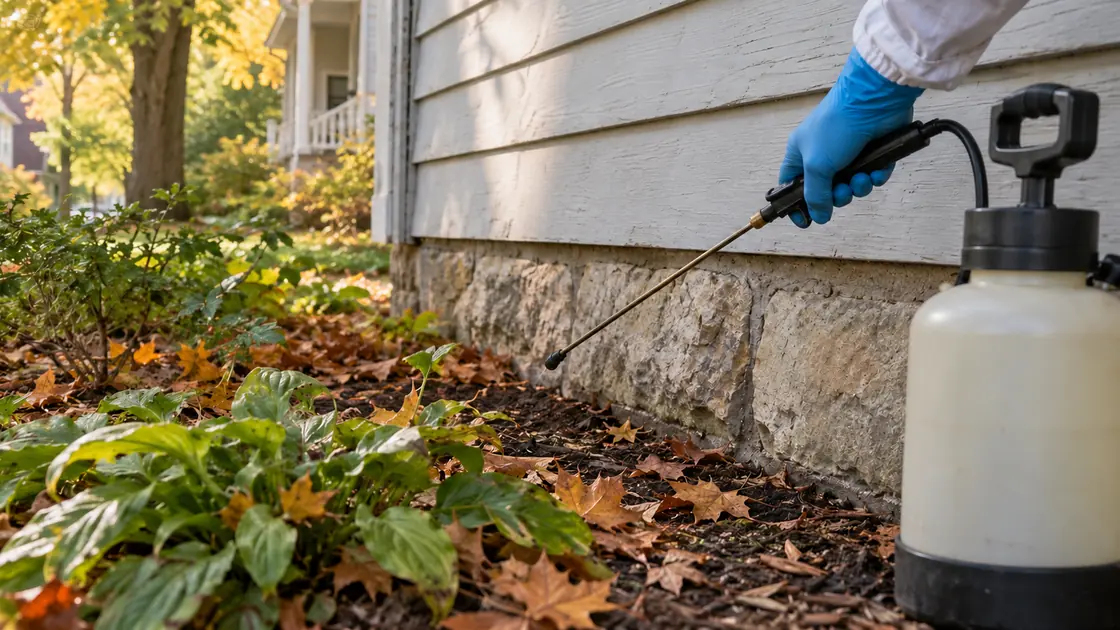
Pest control in Madison for mice in the basement, carpenter ants in old wood, cluster flies in the attic and wasps under the eaves, from the Isthmus to Middleton, Monona and Fitchburg.
Local pest problems around Sun Prairie follow the way the house is built, and the door threshold is one of the first places checked.
Do not close up the expansion joint before the inspection for local pest problems in Madison, or the useful evidence is gone.
For cluster flies and other fall invaders, call and describe what you are seeing.
House mice and deer mice moving into basements, garages and walls in fall. Gaps sealed with metal, traps placed where they travel, follow-up to confirm.
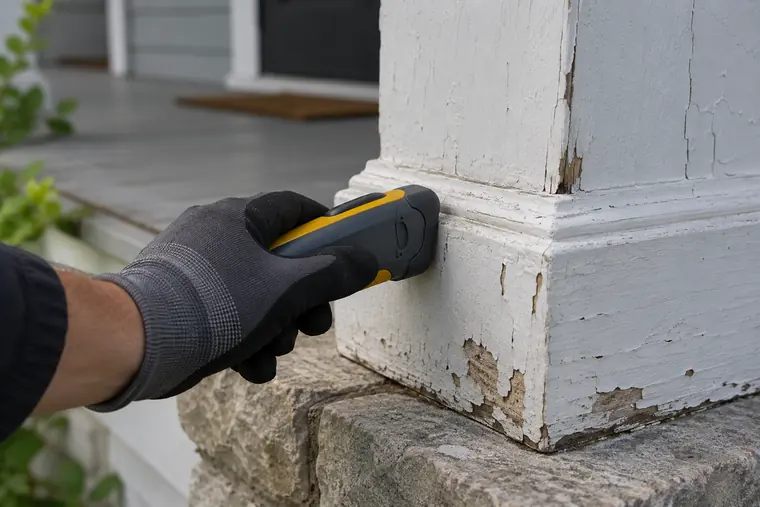
Big black ants in the kitchen in spring, sawdust under a window. The nest found, treated directly, and the damp wood behind it pointed out.
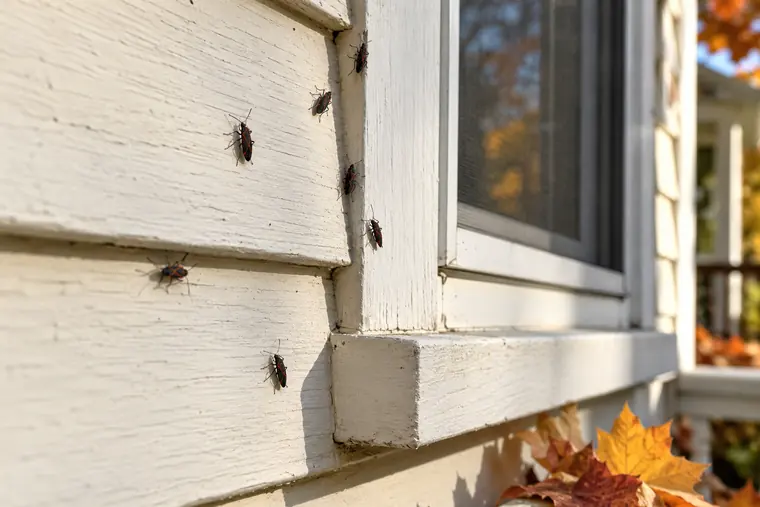
Cluster flies, boxelder bugs and Asian lady beetles gathering on sunny walls in September. Timed exterior treatment and sealing before they get in.
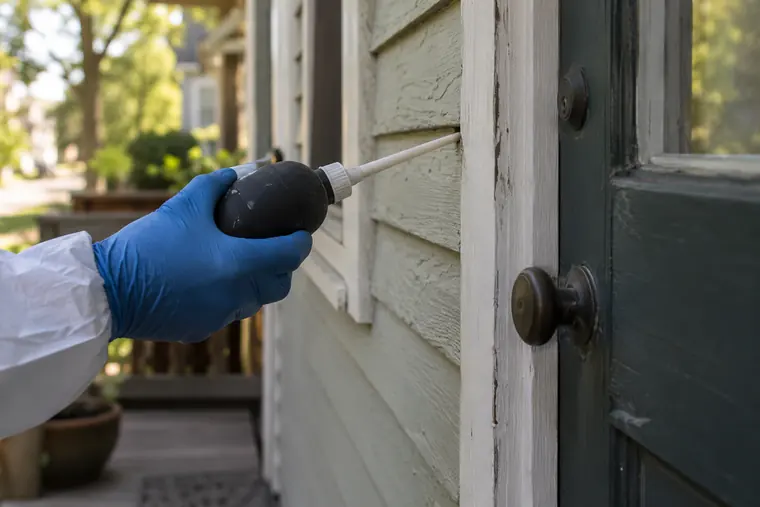
Yellowjackets in the ground or wall, bald-faced hornets in the trees, paper wasps under the eaves. Nests treated and removed where they can be reached.
Bed bugs in campus apartments, duplexes, condos and family homes. A close inspection of beds, couches and baseboards, then heat or a targeted treatment and a follow-up.
Bats in the attic, the soffits or the chimney. Entry points found, one-way exits fitted outside the summer pup season, and the gaps sealed once the bats are out.
Gray, red and flying squirrels in attics and walls. Entry holes located, one-way doors fitted, chewed openings repaired with metal so they cannot chew back in.
Yards near the lakes, marshes and creeks. Shaded resting spots treated, standing water dealt with, and visits from late spring through the end of summer.
Pest control in Madison, WI follows the calendar more than in most places. Call now and tell us what you are seeing.
A technician inspects the house, confirms the pest, finds where it is getting in and gives you the price before anything is treated.
Madison's pest year is easy to map. Carpenter ants wake up in April and May and show up in kitchens and bathrooms of older homes.
Wasps and hornets build all summer and get aggressive in August.
When the nights start to cool in September, cluster flies, boxelder bugs and Asian lady beetles gather on the sunny south and west walls looking for a way into attics and wall voids.
By October and November, mice are moving into basements and garages, and they stay until spring.
The housing makes a difference too.
A lot of Madison homes on the Isthmus and the near east and west sides were built a century ago with wood framing, stone foundations and plenty of small gaps.
Lakeside lots on Mendota, Monona and Wingra have big old trees and damp wood. Student rentals around campus turn over every August. Each of those shapes the jobs below.
Why Madison homeowners call us
We time the work to the season. A cluster fly treatment in November is too late, and a carpenter ant treatment in January finds nothing.
We tell you when a treatment will actually work and schedule it then, instead of selling a visit that will not do much.
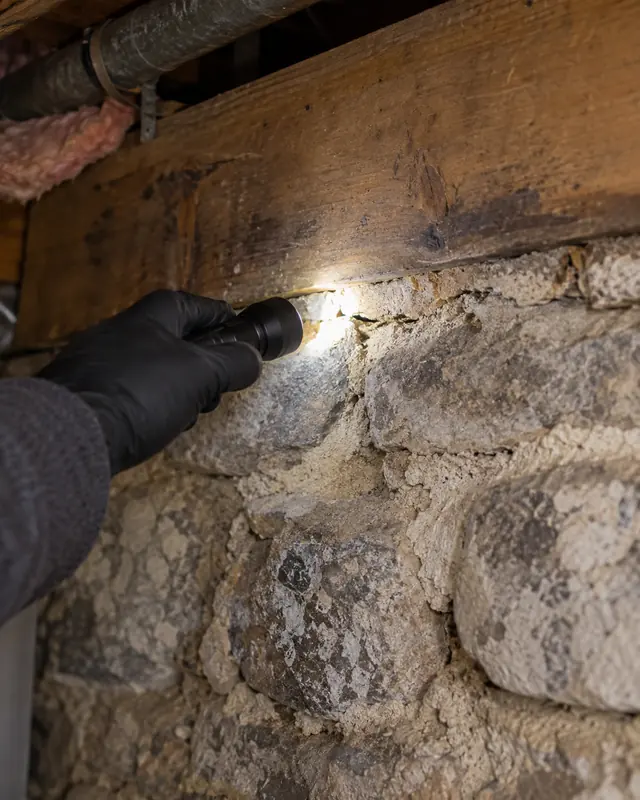
We know old Madison houses. Balloon-framed homes with open wall cavities, limestone and fieldstone foundations, porches added on decades later, attic knee walls and drafty sills are the norm on the Isthmus and the near west side.
Those features give mice and fall invaders lots of ways in, and they are where the technician looks first.
Inspection before treatment. The technician checks the basement, attic, foundation and roofline, finds the pest and where it lives, and explains what they found in plain words.
Sealing is part of the job. Many Madison pest problems are entry problems. Mice, cluster flies and lady beetles all come through gaps.
The technician points out or seals the gaps that matter: sill plates, utility penetrations, siding gaps, attic vents and window frames.
You get the price first. Cost depends on the pest, the house and how much sealing is involved. You hear it before the work starts and nothing happens until you agree.
Wisconsin licensing. Commercial pesticide applicators in Wisconsin are licensed and certified through the Department of Agriculture, Trade and Consumer Protection. Ask for the license number on the phone.
Do not close up the expansion joint before the inspection for local pest problems in Madison, or the useful evidence is gone.
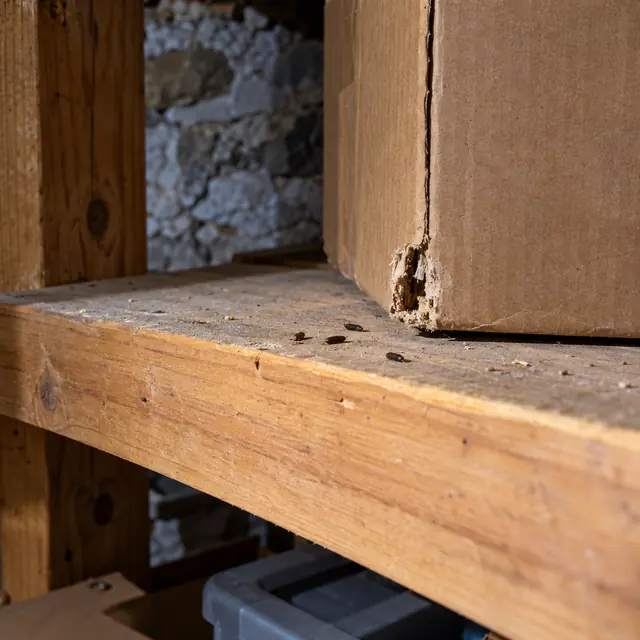
House mice and deer mice move indoors when the nights drop toward freezing in October. They come through gaps at the sill plate, around utility lines, under garage doors and through old stone foundations.
Droppings in the basement, pantry or utility room and scratching in walls at night are the signs. See mouse and rodent control.
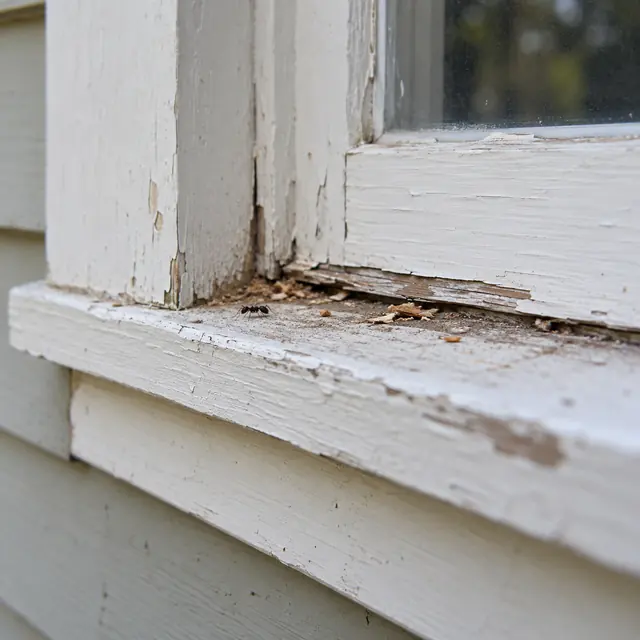
Large black carpenter ants are a classic Madison spring call.
They nest in wood softened by moisture: a window frame with a slow leak, a porch roof, a bathroom wall, a lakeside tree touching the house.
Ants indoors in April and May, especially winged ones, often mean a nest in the structure. See carpenter ant control.
Cluster flies
Slow, sluggish flies that gather at upper windows on sunny days in fall, winter and early spring.
They spend the summer as parasites of earthworms in lawns, then crawl into attics and wall voids to overwinter. They do not breed indoors, so the fix is timing and sealing.
Boxelder bugs
Black and red bugs that cluster by the hundreds on the warm south and west sides of houses in September, especially near boxelder and maple trees.
They squeeze into gaps around windows and siding and appear indoors on warm winter days. They do not bite or breed indoors, but they stain if crushed.
Asian lady beetles and stink bugs
Multicolored Asian lady beetles swarm light-colored walls on warm October afternoons, then work into attics and walls. Brown marmorated stink bugs do the same.
Both are a sealing and timing job, and a vacuum is your best tool for the ones that get inside.
Yellowjackets nest in the ground, in wall voids and under decks and get defensive in August and September.
Bald-faced hornets build gray paper nests in trees and under eaves. Paper wasps hang open-comb nests under soffits. See wasp and hornet control.
Small dark ants that come up through basement floor cracks and along baseboards in spring and summer, or trail to the kitchen sink.
Baits that the workers carry back to the nest work better than sprays.
With thousands of students moving in and out of campus apartments every August, used mattresses and furniture carry bed bugs between buildings.
Rust-colored spots on mattress seams and bites in rows are typical. Bed bugs need a careful inspection and a room-wide plan, not a can of spray.
Writing down where local pest problems were seen near the Near East Side, including the hose bib, makes the Madison visit shorter and more exact.
Most are harmless and feed on other insects, so a lot of spiders often means a lot of something else. Cutting the insects and sealing gaps cuts the spiders.
Eastern subterranean termites are not common in Madison, but they do turn up in southern Wisconsin, usually in a single property or block.
Most winged insects people find indoors in spring here are carpenter ants.
If you find mud tubes on a basement wall or soft wood packed with soil, keep one and have it identified rather than assuming either way.
We work across Madison's neighborhoods, from the Isthmus and the old east and west sides to the newer subdivisions on the far east and west edges, plus the communities around it in Dane County.

Older homes on the Isthmus, Willy Street, Atwood and the Vilas and Dudgeon-Monroe area get the most mice and fall invaders through stone foundations and gaps in old siding.
Lakeside homes along Mendota, Monona and Lake Wingra see more carpenter ants.
Newer houses in Sun Prairie, Verona and the far west side see more wasps in eaves and ants coming up through slab and basement cracks.
Madison has long, cold winters, a short warm season and four lakes, so pests follow the calendar closely. Knowing what each season brings helps you book the right service at the right time.
Black carpenter ants (*Camponotus pennsylvanicus*) wake up in damp wood and send out winged swarmers.
Gray and fox squirrels (*Sciurus carolinensis* and *Sciurus niger*) have their first litters in attics, and blacklegged ticks (*Ixodes scapularis*) become active in leaf litter near the Arboretum and wooded lots.
What decides the local pest problems plan in Madison is the building near Verona, and the meter box is on that list.
Mosquitoes hatch after spring rains, including the inland floodwater mosquito (*Aedes vexans*) and *Culex* species that can carry West Nile virus.
Bat pups are born in attics and walls, and Wisconsin guidance is to wait until they can fly before excluding the colony. Yellowjacket colonies grow fast under decks and in the ground.
For local pest problems in Madison, the visit starts at the pet door and then follows whatever that shows.
Yellowjackets peak in September. Boxelder bugs (*Boisea trivittata*), multicolored Asian lady beetles (*Harmonia axyridis*) and cluster flies (*Pollenia* species) gather on sunny walls and slip into attics.
Do not close up the expansion joint before the inspection for local pest problems in Madison, or the useful evidence is gone.
Near Fitchburg, local pest problems turn up at the attic hatch before they turn up in the main rooms.
Mice nest in insulation, and cluster flies and lady beetles wake up on warm days and show up in upstairs windows.
Carpenter ants seen indoors in winter usually point to a nest in a heated wall. Winter is a good time to plan exclusion work for spring.
Do I need a yearly contract?
No. Most jobs are one-time treatments with a follow-up. Seasonal plans are available if you want them, and you get told what they cover before you agree.
When should I treat for cluster flies and boxelder bugs?
Late August through September, before they move into the walls. Once they are inside for the winter, treatment options are limited to vacuuming, light traps and sealing.
Why do I see flies in my upstairs windows in winter?
Those are usually cluster flies that crawled into the attic or walls in fall. On sunny days they wake up and move toward the light. They do not breed inside the house.
Often. Carpenter ants prefer wood softened by moisture, so finding them is a good reason to check for leaks around windows, roofs, decks and bathrooms.
Through gaps in the mortar, around the sill plate where the wood framing sits on the stone, and where utility lines and pipes pass through.
A mouse fits through a gap about the size of a dime.
A Madison home with local pest problems at the utility chase needs that spot named when you call, so the visit starts in the right place.
If the nest is near a door, a deck or a play area, yes. Nests in out-of-the-way spots will die off with the first hard freeze, and the old nest is not reused.
Deer ticks are common in Dane County, especially in yards that back onto woods and conservancy land. Ask about tick treatment along wooded edges when you call.
Commercial pesticide work in Wisconsin requires licensing and certification through DATCP. You can ask for the license number on the phone.
What should I have ready for the visit?
Clear access to the basement walls, the attic hatch and the garage. Tell the technician where and when you have seen the pest; it saves time.
Why do lady beetles swarm my Madison house in October?
Multicolored Asian lady beetles gather on sunny, light-colored walls in fall to find a sheltered place for the winter. Sealing gaps around windows, siding and attic vents before late September keeps them out.
Is Lyme disease a risk in Madison yards?
Yes. Wisconsin has many cases of Lyme disease each year, carried by the blacklegged tick. Yards that back onto woods, parks or tall grass have the most ticks.
Homes near Lake Mendota, Lake Monona and Lake Wingra see more midges, mosquitoes and spiders that feed on them, and damp lakeside wood draws carpenter ants.
In Madison: 53703, 53704, 53705, 53706, 53711, 53713, 53714, 53715, 53716, 53717, 53718, 53719, 53726.
Nearby: Middleton 53562; Shorewood Hills 53705; Maple Bluff 53704; Monona 53716; Fitchburg 53711, 53713, 53719; Sun Prairie 53590; Verona 53593; McFarland 53558. Not sure about your ZIP code? Call now and give us your street.
Call now, describe what you are seeing and where, and a technician will inspect and quote before any treatment.
Homes around Middleton get the local pest problems inspection at the sill plate first, because that is where the activity usually starts.